Two people read the same essay and give you completely different notes. One says the argument in section three arrives too late and the case study in section four belongs in an appendix. The other circles "seperate", a doubled "the", and a quotation mark facing the wrong way. Both readings are useful. They are also two different jobs, done at two different points, and blurring them costs you time you probably do not have.
Get the sequence right and your final draft improves twice over. Get it wrong and you will spend an hour perfecting sentences you later delete.
Editing asks whether the writing works; proofreading asks whether it is correct
Editing is the work of making a piece do what it is meant to do: argue clearly, in a sensible order, in a voice that suits the reader. That can mean moving whole sections, cutting a paragraph that repeats an earlier point, adding the evidence that was missing, or rewriting a sentence nobody could follow on a first read.
Proofreading is narrower. It assumes the writing is finished and the argument holds, then hunts for the small, concrete mistakes that survive everything else: typos, doubled words, missing punctuation, inconsistent spellings, a cross-reference pointing at the wrong table.
A useful rule of thumb: after editing, the text may say something slightly different. After proofreading, it must say exactly the same thing, only cleaner. If a proofreading pass is quietly rewriting your argument, you started it too late.
What editing covers
Editing is not one task but a series of passes, moving from the biggest questions down to the smallest. Most writers do them in this order.
Structural editing
Start with the shape of the whole piece. Write down the main point of each paragraph in a single sentence and read that list on its own. If the list does not build an argument, the essay will not either. This is where you move, merge, add and cut sections, and where you check that the introduction promises what the conclusion delivers. Structural work is decisive: a brilliant paragraph in the wrong place is still a problem.
Line editing
Now work paragraph by paragraph. Is each sentence doing necessary work? Does the topic sentence match what follows? Watch for padding, tangled clauses, repeated sentence openings and vague hedging ("it could perhaps be argued that"). Read aloud if you can; your ear catches more than your eye. This is also the stage to check tone: a dissertation chapter and a personal statement need different levels of formality.
Copy-editing
Here you tidy the mechanics: grammar, punctuation, spelling, capitalisation, hyphenation, numbers, and the consistency of names, terms and abbreviations. If you introduce a style sheet at this point — noting that you use "organisation" not "organization", "the 1990s" not "the 90's", "Figure 3" not "fig. 3" — you will save yourself repeated decisions later.
What proofreading covers
Proofreading happens on a text you have stopped changing. You are not judging the argument any more; you are checking that the version your reader receives is the version you intended. Common catches include:
- doubled or dropped words, especially after a sentence has been edited
- homophones: their/there, affect/effect, principal/principle, practise/practice
- punctuation slips: unclosed brackets, a comma splice, mixed straight and curly quotation marks
- inconsistency in spelling style, heading capitalisation, or figures versus words
- reference problems: in-text citations that do not match the reference list, wrong page numbers, a misaligned contents page
- formatting faults: stray bold, uneven spacing, captions that do not match the image above them
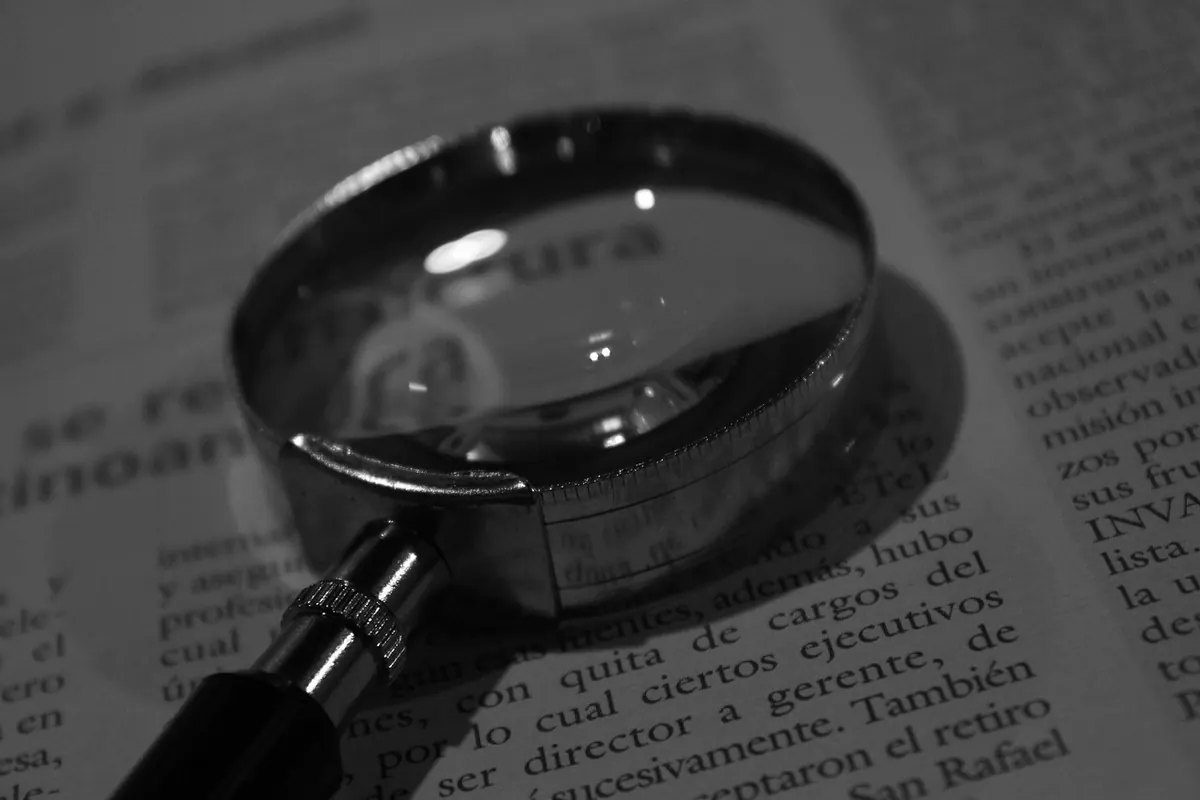
Speed is the enemy here. Slow down deliberately: read one line at a time, use a ruler or your finger, and change the view — print it, zoom in, or switch to a different font — so your brain cannot skim from memory. Reading a paragraph backwards is a well-worn trick for spotting spelling errors, because it stops you predicting the next word.
A practical order of checks
If you want a sequence you can repeat for any piece of academic writing, try this one.
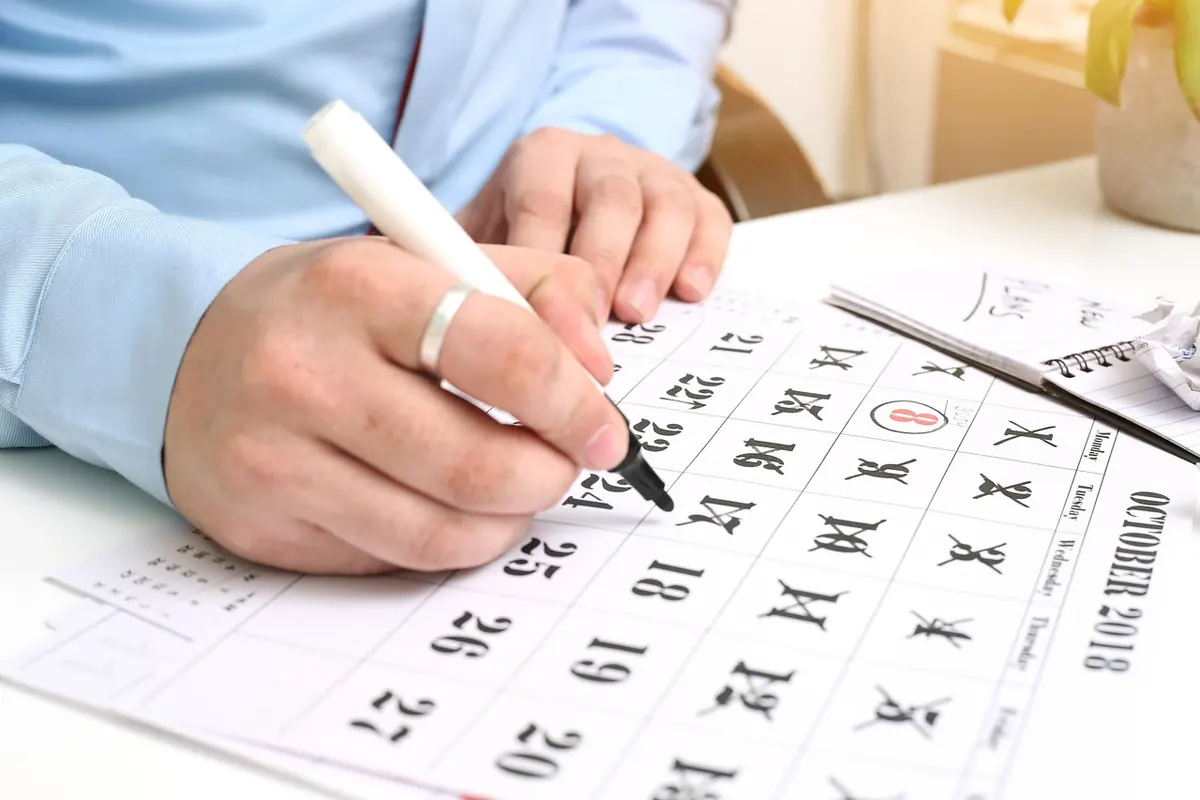
- Let it rest. Even a few hours away from the draft makes you a better reader of it. A day is better.
- Check the brief. Confirm the word count, question, referencing style and marking criteria before you edit, not after.
- Edit structurally. Map the paragraph points, reorder, cut, rewrite any weak section. Expect the word count to move.
- Edit at line level. Tighten sentences, fix tone, remove repetition. Read the piece aloud once.
- Copy-edit for consistency. Apply your style sheet across the whole document, including headings, tables and references.
- Format, then proofread last. Check layout and page breaks, take a break, then proofread slowly. Only fix errors at this stage — do not start redesigning paragraphs.
When one pass is all you get
Deadlines do not always allow three or four passes, so choose according to risk. If there is any chance the structure is wrong, edit. A perfectly proofread essay that answers the question in the wrong order will still lose marks. If the content is settled and the clock is short, proofread — because a page of typos and muddled references looks careless even when the thinking is strong.
Outside coursework, the balance shifts. A CV should be proofread obsessively, since one misspelled employer name can cost you an interview. A first draft of a report needs editing. Ask yourself what a reader would notice first: a missing argument or a missing comma.
A routine that holds up under pressure
Treat editing and proofreading as separate appointments, on separate days if you can, and save a new version of the file before each one. Keep a "cuts" document rather than deleting material outright — half of it often turns out to be useful elsewhere. During editing, allow yourself to be ruthless; during proofreading, allow yourself to be pedantic. And when you proofread, check one category at a time: a full pass for spelling, another for citations, another for punctuation. You will catch far more than by trying to notice everything at once.
Do the big work first, the small work last, and leave a gap between them. That single habit prevents most of the errors that survive to the final submission.
Photo: Lucas23 / Pixabay